
Originally posted on Science on the Land:
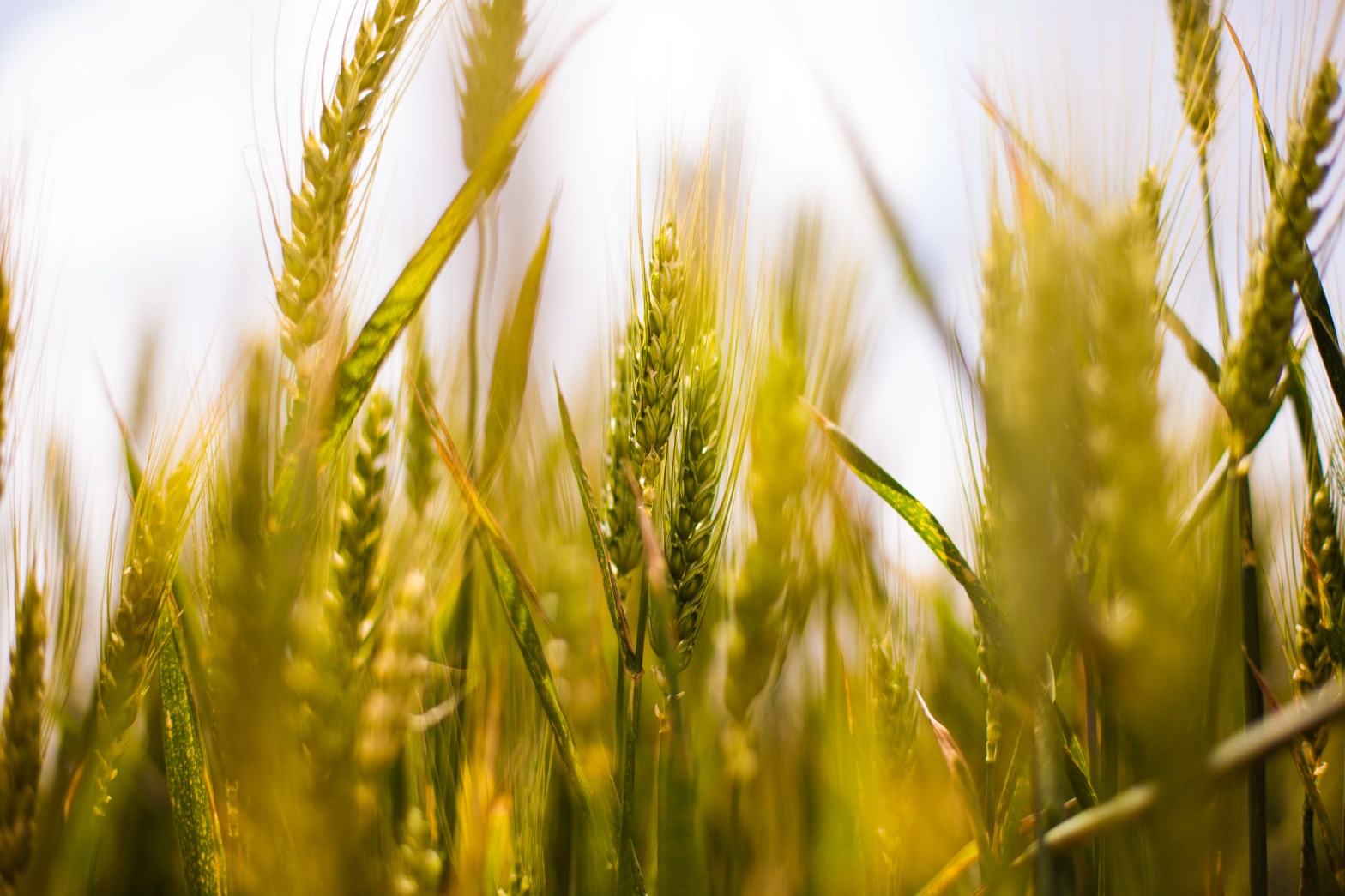
Elisabeth Braw at the Guardian tells us about the search for sustainable crops. She says that we in the rich world focus too much on a tiny number of staple food species. But ‘at one time during the past 10,000 years, [people] used some 30,000 plants.’ Now some…
Category Archives: Uncategorized
Gleason Ranch: Risking Everything
http://www.youtube.com/watch?feature=player_detailpage&v=IP3zeyCvxjo This short clip advertises a documentary following the lives of the people running a 5th generation family ranch. Illustrating the harsh realities of real life farming and real life struggles I encourage you to read more about the story at http://www.indiegogo.com/projects/gleason-ranch-risking-everything/.
Wolves Dogs and Sheep
Originally posted on a new nature blog:
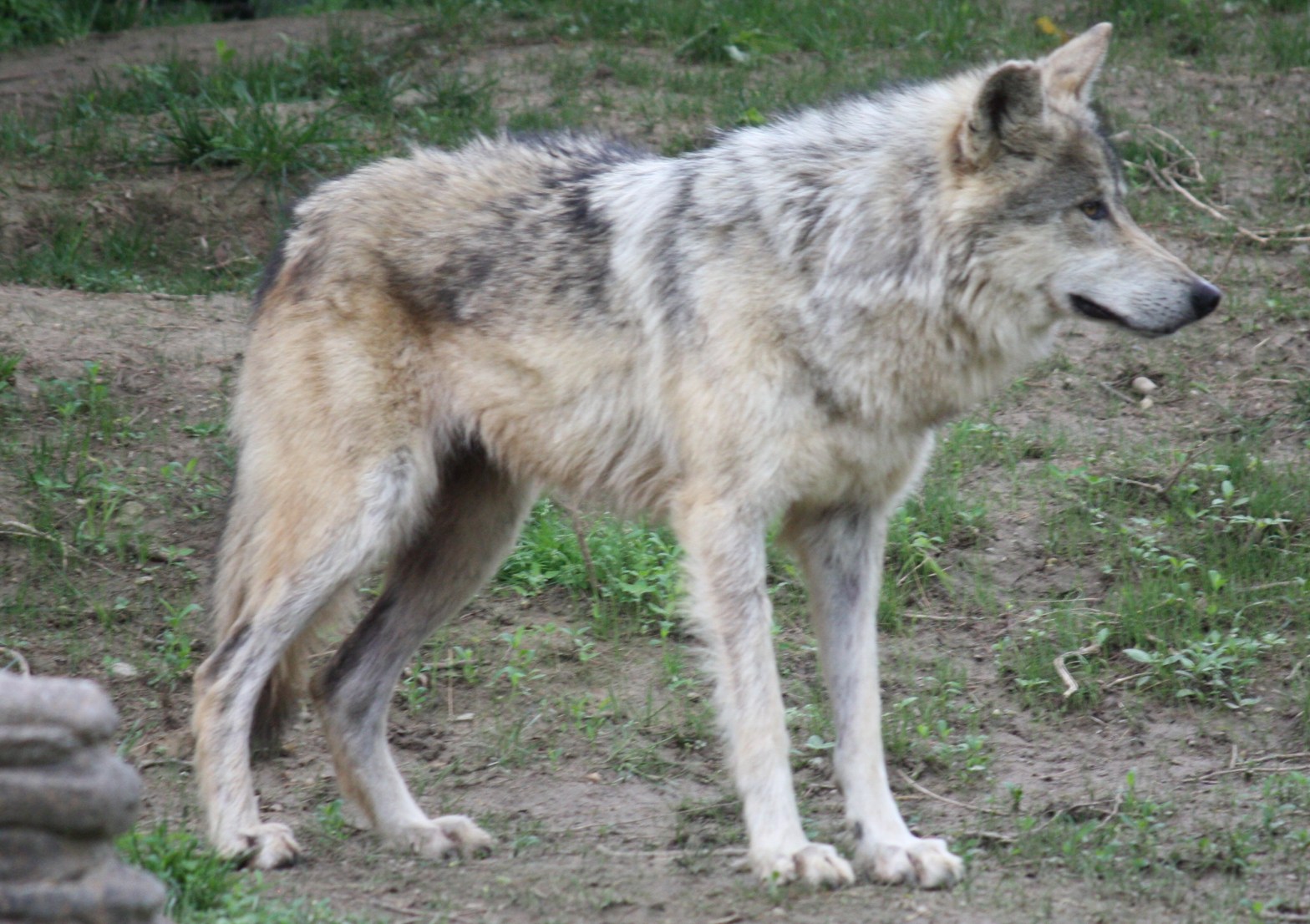
Where’s the wolf Fido? By User:Squigman (Own work) [Public domain], via Wikimedia Commons I used to be quite good at statistics, but that was a very long time ago. Now I marvel at my colleagues at Footprint Ecology, who painlessly manipulate huge datasets, often with complex spatial elements…
Is the farmer’s job to produce more and more food?
The idea for writing this particular blog post sprouted from an article on Farmers Weekly by Matthew Naylor available here. The article encourages debate on what the role of the farmer actually is. Naylor writes: ”Decades of discussion about grain mountains, subsidies, biodiversity, diffuse pollution and food flavour have obscured the main function of aContinueContinue reading “Is the farmer’s job to produce more and more food?”
Do we need to reinvigorate Environmental History?
‘‘Many people believe that the humanities are retreating, that they are irrelevant, and students—especially in the emerging world—are encouraged to study subjects that are considered to be more useful for the labour market. The task of the humanities, according to Wilfrid McClay, is to be distinctive from the natural and social sciences, by grasping ‘humanContinueContinue reading “Do we need to reinvigorate Environmental History?”
 thinkingcountry.com