

Another look at biodiversity offsetting, this time from John Clarkson, lecturer in Wildlife Conservation at Nottingham Trent University. He effectively mixes scientific and humanist arguments for opposing biodiversity offsetting. Trees are indeed individuals whose lifespans cover many human lifetimes. If you want to tell Mr Paterson what he needs to believe about stepping down suchContinue reading "Biodiversity Offsetting – biophilia or biophobia (love nature or loathe it)?"
Climate Change and the Future of Food

Yet more thoughts regarding a bleak future for food production against population rise. At some point policy makers will have to be radical and make some real decisions as to how we are going to cope with this problem (and it is a problem) in the long term.
Biodiversity Offsetting – lose a wood, gain a wood

Some positive thoughts here on the increasingly controversial biodiversity offsetting approach to planning. The key aspect to stress from this post is 'local'. Local systems, local offsetting, local partnerships, local responsibility and local biodiversity. Personally I am not a big fan of biodiversity offsetting as a concept (as you can see in a previous articleContinue reading "Biodiversity Offsetting – lose a wood, gain a wood"
Can we make nature exciting?
http://www.youtube.com/watch?v=bWqrbYwn7K4&feature=player_detailpage This post was my first to be published at activisionary, a new independent group focusing upon environmental writing within which I am volunteering as an environmental journalist. Take a look at their site and my first article here. The automatic response to the posing of the above question may be one of disbelief forContinue reading "Can we make nature exciting?"
Seeking sustainable crops
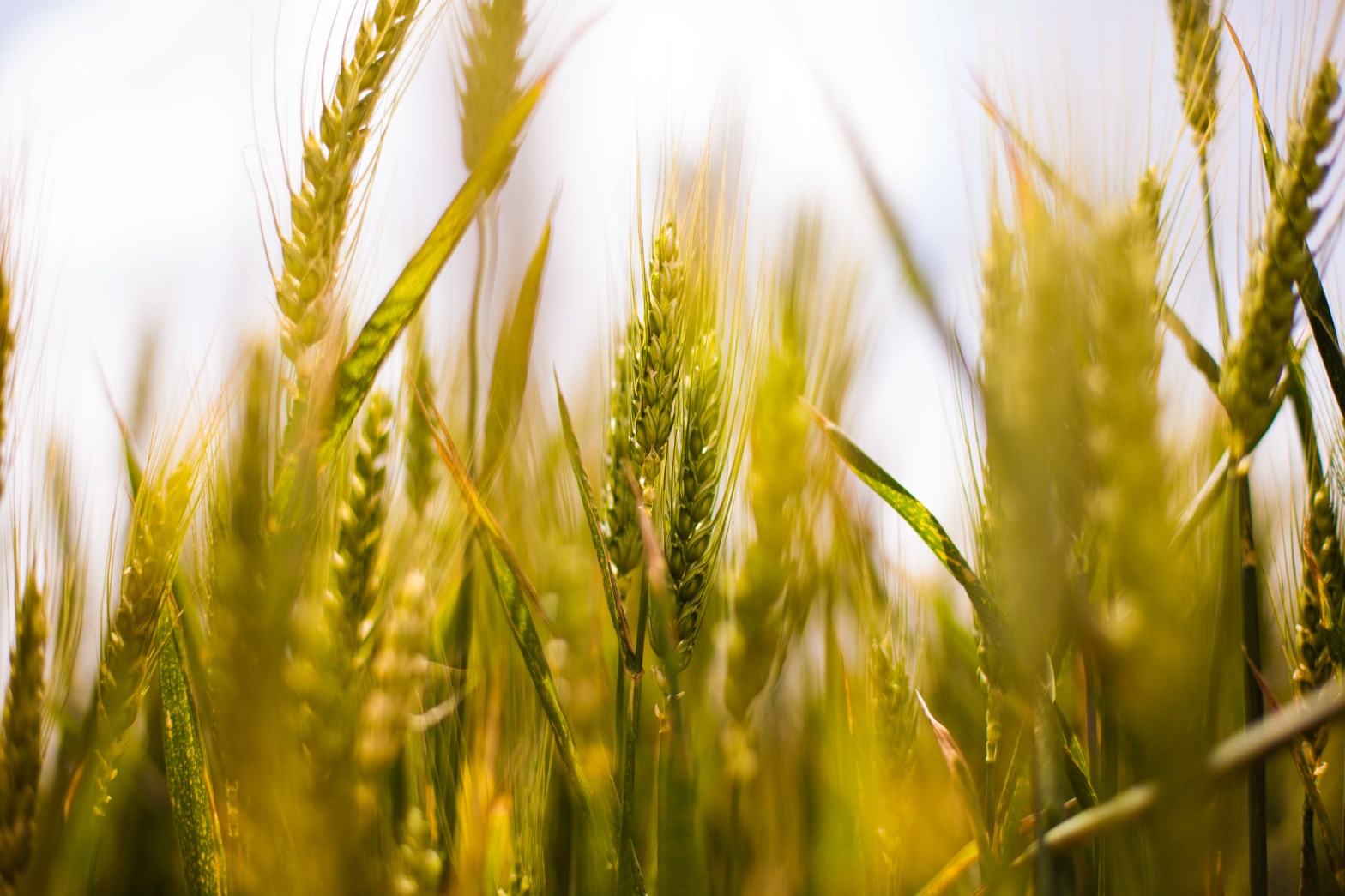
I’m a strong believer that we need to be innovative. I’m a GM sceptic but all the same welcome this posting on support of researching new crop varieties.

Elisabeth Braw at the Guardian tells us about the search for sustainable crops. She says that we in the rich world focus too much on a tiny number of staple food species. But ‘at one time during the past 10,000 years, [people] used some 30,000 plants.’
Now some scientists are taking a good look at neglected (orphan) crops. For example, many people grow and eat pearl millet (Pennisetum glaucum) and sorghum (Sorghum bicolor) but outside the topics, we ignore those crops too often. There’s growing interest in more nutritious (biofortified) varieties of them. Varieties such as the selectively bred Iron-Rich Pearl Millet and the genetically modified (GM, genetically engineered, GE) African Biofortified Sorgum. Ms Braw doesn’t seem very impressed by GM. But that GM sorghum reminds us that biotech is still being used to develop crop varieties.
I’m grateful to my fellow blogger at
View original post 140 more words

